Luvie Industry · 2026-10-06
Importing PVC ceiling panels to Brazil: what should buyers verify first?
A ceiling-panel order can be commercially agreed yet still stall at customs or on site. The useful starting point is not a generic list of “required documents”: it is the exact panel description, intended use, tariff classification and current administrative treatment for the specific operation.
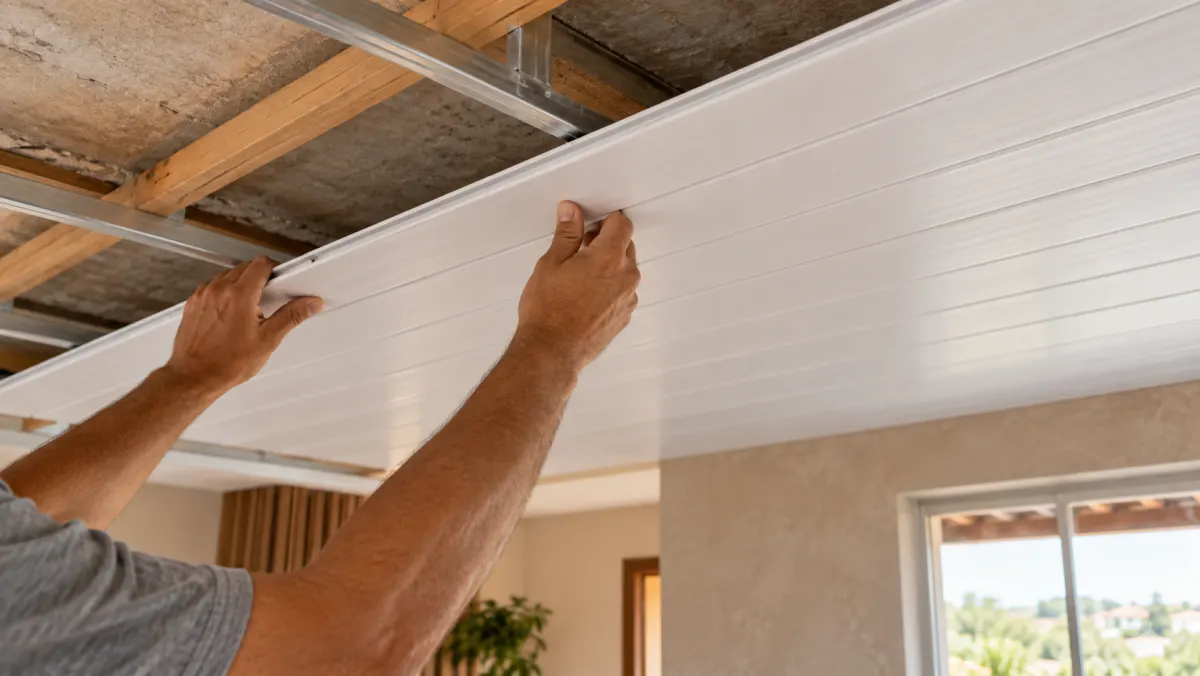
Confirm the SKU and technical description, have a Brazilian customs specialist classify it, check the live Siscomex treatment simulator, and reconcile every commercial and packing document before shipment.
Start with the exact panel, not the category name
PVC ceiling panel is a sales description, not a complete customs or project specification. Record the resin or composite construction, profile cross-section, total and effective width, length, thickness, finish, accessories and intended use. Photograph the approved physical sample and keep its code with the quotation. Different constructions may call for different tariff analysis or evidence; do not copy an NCM code from a visually similar item without review.
Check Brazilian import treatment at the time of the order
Brazilian Siscomex says its information tables are indicative and the Import Administrative Treatment Simulator should be used to verify what applies to a specific import operation. The importer or broker should confirm the current NCM classification, any licensing or agency consent, and the route that applies when the declaration is filed. Do not promise that every PVC ceiling panel is exempt from licensing or that one historical clearance settles the next shipment.
Make the documents describe the same goods
Compare the pro forma invoice, commercial invoice, packing list, bill of lading and product data against the approved sample. Check carton count, panel lengths, gross and net weights, accessory lines, country of origin, buyer details and Incoterm. A mismatch between a decorative catalog name and the customs description can delay clarification. Ask the freight partner how long panels and trims will be protected, stacked and identified in the container.
Separate customs approval from installation approval
Clearing an import does not establish that the ceiling system suits a particular room or local building requirement. Before the buyer markets a model, request its current installation instructions, support-spacing guidance, joint and expansion details, cleaning instructions and any test evidence relevant to the exact SKU. On a humid or air-conditioned project, the substrate, ventilation and water pathways remain design questions. A catalog image is a shortlist tool, not a compliance certificate.
A practical first-order handoff
An importer planning a trial shipment can send Luvie the destination state, room type, target profile, finish reference, estimated area and accessory list. The broker then checks classification and administrative treatment using the precise product description. After the sample and document names match, confirm quantities, packing and commercial terms in writing. This sequence reduces avoidable rework without claiming a guaranteed customs outcome.
Next step
Ask for a current model-specific data sheet and sample, then let your Brazilian customs and project specialists confirm the applicable requirements.
View the relevant product catalog (PDF) · Explore the product family