PVC Wall Panel Thickness and Profiles: What Buyers Should Check
PVC wall panel buyers often ask which thickness or profile is best. The useful answer depends on the application, installation method, target price level, local customer expectations and the exact construction of the panel.
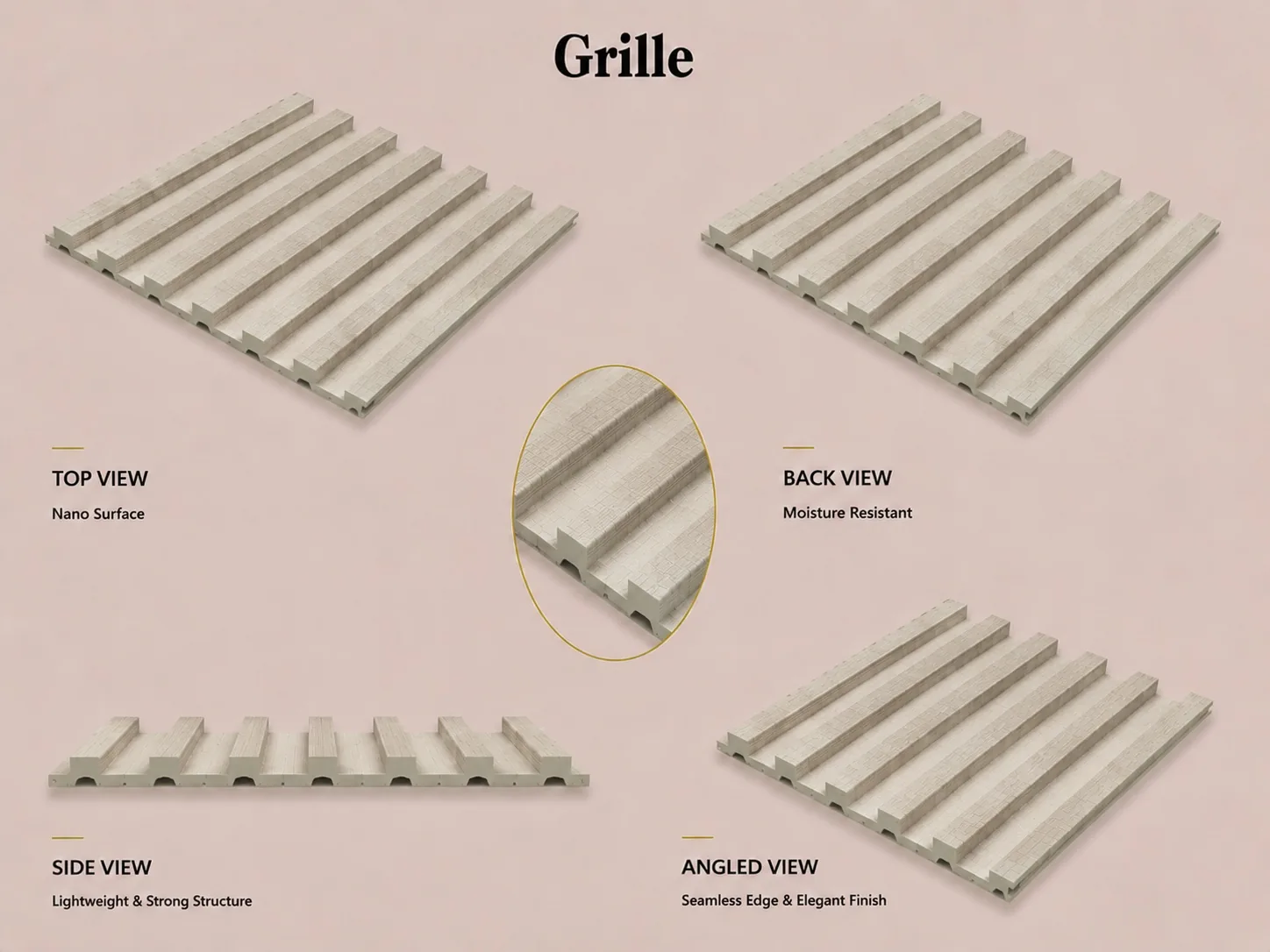
Choose a PVC wall panel by matching the complete specification to its intended use. Confirm nominal thickness, face width, internal rib structure, joint design, surface finish, unit weight, accessories and installation method together. A thicker panel is not automatically the right panel, and two products with the same nominal dimensions can perform differently.
Start with the installation and customer
Before comparing samples, define where the panel will be sold or installed. A distributor building an entry-level retail range may prioritize familiar widths, efficient packing and easy matching with local trims. A hotel or renovation buyer may focus more on finish consistency, cleaning, joint appearance and installation details.
Send the supplier the country, room type, wall condition, preferred appearance and expected sales channel. This information is more useful than asking for the “best thickness” without context.
Check more than nominal thickness
Nominal thickness is only one part of panel construction. Buyers should also compare the profile shape, spacing and consistency of internal ribs, the tongue-and-groove connection, edge straightness and the overall feel of the sample. Ask the supplier to identify the exact model behind every sample and quotation so different constructions are not compared as if they were identical.
For repeat orders, keep an approved reference sample and a written specification. This creates a clearer standard for later production and helps reduce disputes caused by vague descriptions.
Match width and length to the market
Panel width affects visual rhythm, installation speed, carton dimensions and how the product is displayed by distributors. Length should be planned around common wall heights, transport constraints and acceptable cutting waste. Confirm whether dimensions are nominal or actual, and record the accepted tolerance at the order stage.
Do not select a new size only because it looks efficient on paper. Check whether local installers already understand the format and whether compatible trims and accessories can be supplied.
Compare the joint and installed appearance
A loose sample does not show the complete finished wall. Connect several panels and inspect the joint from the front, side and under angled light. Check whether the lock engages consistently, whether the seam is visually acceptable and how corners, starts, ends and penetrations will be finished.
If the project has an existing substrate or special installation condition, confirm it before production. Product selection and installation planning should be treated as one system.
Review the surface and color standard
Gloss level, printed pattern, embossing and protective film can change how a panel looks in a showroom or completed room. Evaluate samples in the lighting conditions that matter to the customer. For repeat business, use approved samples, color references and batch records instead of relying only on screen images.
When several colors or patterns will share a container, approve each SKU separately and confirm labels so the warehouse and distributor can identify them easily.
Buyer specification checklist
- Application, room type and substrate
- Nominal and actual panel dimensions
- Profile construction and unit weight
- Tongue-and-groove joint appearance
- Surface film, gloss, texture and color reference
- Matching trims and installation accessories
- Carton protection, labels and packing quantities
- Approved sample and order-level tolerance
Questions buyers ask
Is a thicker PVC wall panel always better?
No. The right choice depends on the full profile construction, intended application, installation system and target market. Compare complete specifications and physical samples.
Can two panels with the same size be different?
Yes. Rib structure, material formulation, unit weight, joint design and surface system can differ even when nominal width and thickness look similar.
What should I send before requesting a recommendation?
Share your country, customer type, application, preferred dimensions, finish, estimated quantity and any sample or photo that represents the local market.
Should accessories be confirmed with the panel?
Yes. Trims, corners and installation details affect the completed appearance and should be reviewed with the selected panel profile.
Compare PVC wall panel options for your market.
Send your country, application, preferred size, finish and estimated quantity. Luvie can organize suitable models and samples for an order-level discussion.
WhatsApp +30 6947135317