How do you fix a damaged PVC wall panel?
A scratched decorative face, cracked rib and swollen wall behind the panel should not receive the same repair. For a distributor, the first service question is what failed and whether the original SKU and batch can be identified. That answer determines whether cleaning, a maker-approved surface repair or full replacement is responsible.
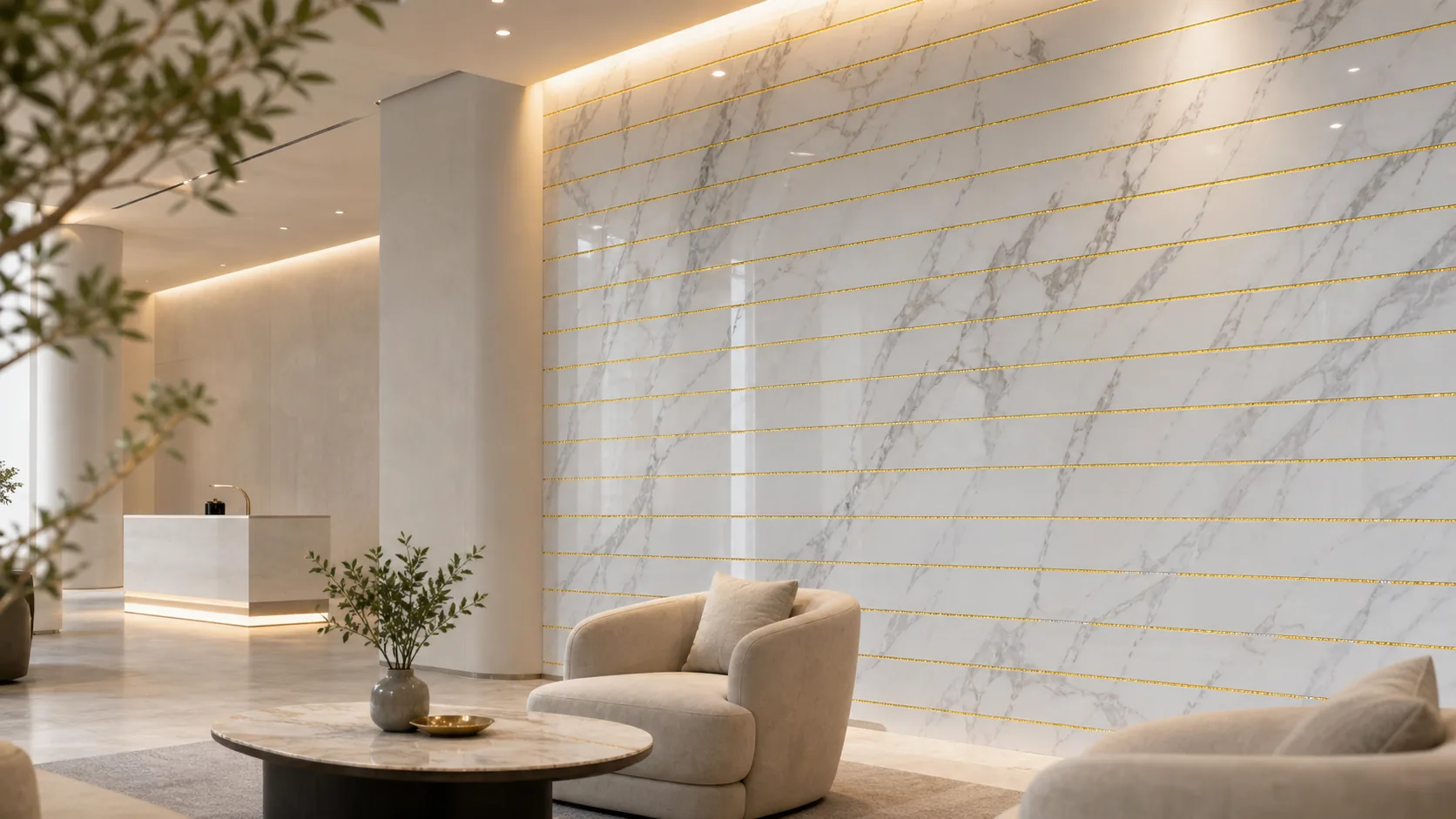
Inspect the cause before repairing the visible panel. Minor marks may respond to approved cleaning, but cracked profiles, loose fixings or moisture-damaged substrates usually require a more substantial repair and possibly replacement of the affected panel.
Classify the damage
Photograph the entire wall, close-up defect, seams and any nearby water or heat source. Note the panel code, batch, installation date and fixing method. A cosmetic scuff may be limited to the face; cracking around an outlet may reflect poor cutting or movement; a recurring stain may indicate moisture behind the wall. Do not polish or paint over an active problem before it is understood.
Choose a repair boundary
Ask the supplier whether the exact face has a compatible cleaning or touch-up procedure and test it on spare material. Aggressive solvent, sanding or heat may permanently change gloss and print. If the profile is broken or the connection is compromised, replace the panel using the original installation instructions. Verify that any replacement is not trapped behind permanent trims or services.
Keep replacement stock useful
Retain labelled spare panels from the approved batch where project scale justifies it. Compare a replacement in the installed lighting because small color or gloss differences are visible on large continuous walls. If a leak caused the damage, fix and dry the wall before closing it again; the EPA’s guidance makes moisture control the priority. Document the repair so maintenance teams know what was changed.
Illustrative buyer situation
A retail chain discovers a cracked panel at the base of a display wall six months after opening. A patch kit might disguise the crack, but staff also report that the display has been repeatedly moved against the wall. The chain should photograph the damage, check fixing and impact cause, and compare a spare panel with the installed batch before replacement. If the profile or joint is broken, a face-only cosmetic repair should not be sold as a durable fix.
Buyer checklist before ordering
- Photos and defect location
- Exact SKU, batch and original approved sample
- Root cause including leak, heat or movement
- Maker-approved repair or replacement instructions
Save the approved sample, product code and document references with the purchase order. A catalog helps shortlist a finish but does not establish the final specification, local acceptance, price or delivery terms.
Common buyer questions
Can scratches be polished out?
Only if the manufacturer approves a method for that face; polishing can alter gloss or printed film.
Can one panel be replaced?
Often possible in principle, but access, joint system and matching stock determine the practical method.
Should a damaged wet-area panel be covered?
No. Investigate water entry and the substrate before reinstating the wall.
Compare the range and request the exact specification
Browse the relevant product catalog (PDF, English), then tell Luvie the destination market, room or project use, approximate quantity and the finish you want to sample. We can discuss which current SKU and documents are available; do not assume a catalog image establishes certification or a guaranteed lead time.
Turn the question into a verifiable product brief.
Send the application and target market so the conversation starts with a specific product, sample and evidence request.
Ask Luvie about this use