Are PVC wall panels safe for indoor use?
“Safe” is too broad to answer from a product photograph or the word PVC. A distributor needs to separate indoor emissions, fire behavior, physical installation, cleaning exposure and local acceptance. Each question has a different document and test route. A good supplier conversation starts with the exact panel code and intended room, not a generic badge on a catalog cover.
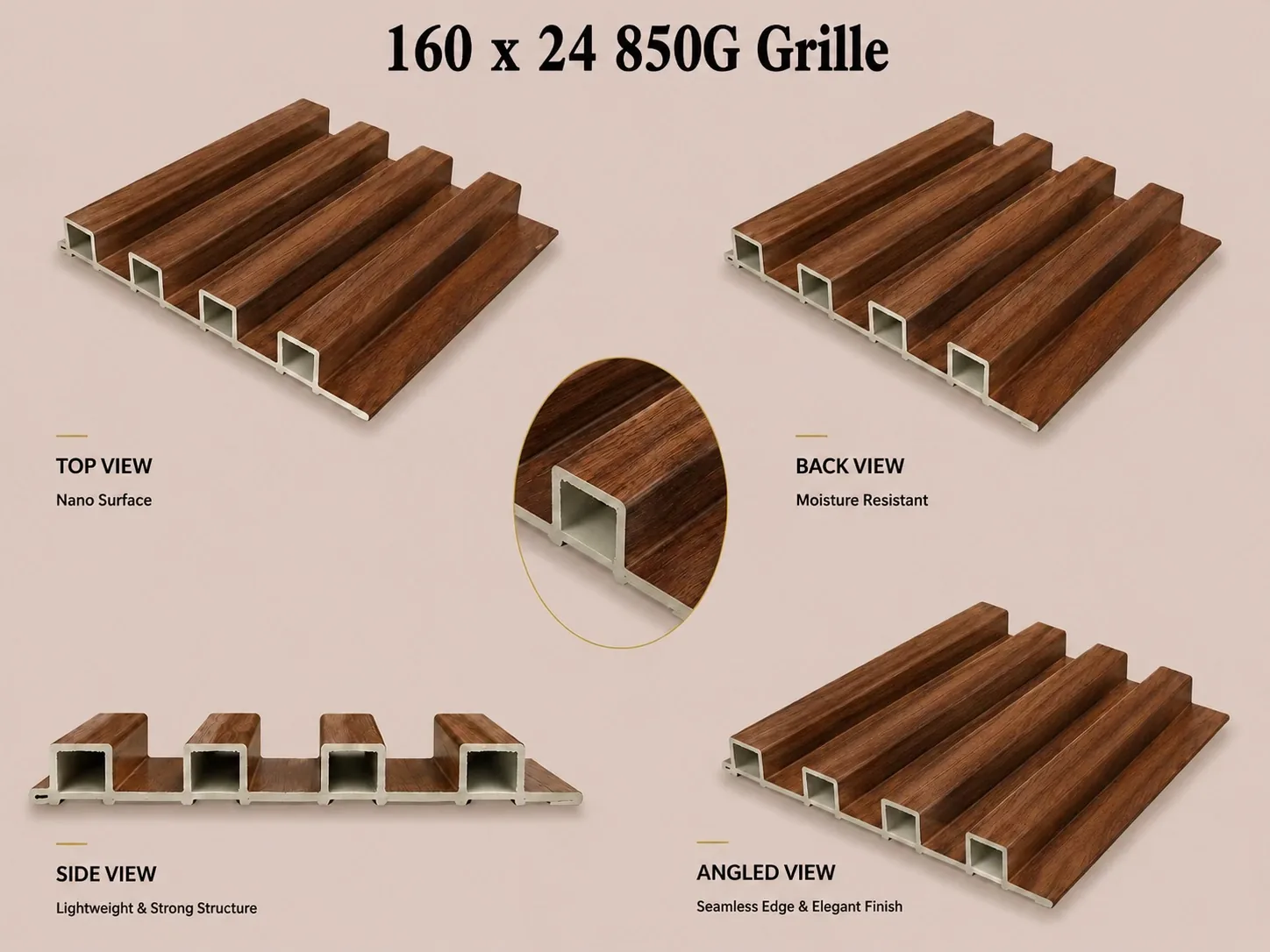
PVC wall panels can be considered for appropriate indoor applications, but no material name alone establishes safety. Ask for product-specific evidence and review the complete installed assembly, including adhesive, sealant, substrate and ventilation.
Define the room and exposure
A bedroom feature wall, a hotel corridor and a commercial kitchen have different occupants, cleaning routines and regulatory expectations. Record whether the panel is near heat, in a splash zone or in an escape route. Then identify the local project requirement before judging any supplier claim. A claim suitable for one market should not be copied into another market without checking its scope.
Ask what was actually tested
For indoor air, request a report matching the current substrate, decorative film, coating and thickness. ISO 16000-9:2024 provides a chamber method for measuring emissions, but a report must still state the specimen, conditions, results and the criterion being compared. Odor is not a substitute for emissions data. For fire, read the tested assembly and classification rather than assuming that “fire resistant” means the panel is noncombustible or approved everywhere.
Check the assembly and sales wording
Installation products can have their own emissions, compatibility and fire implications. Confirm the specified adhesive or fixing, edge seal, cleaning method and substrate. If the buyer only has a sample and a marketing sheet, mark unverified claims as pending. The sales page can describe appearance and intended use while the technical file is completed; it should not promise a certification that the exact SKU cannot support.
Illustrative buyer situation
A hotel buyer receives a sample that looks suitable for a corridor, but the emissions sheet names a different face film and the fire report does not describe the proposed plywood backing. The right next step is not to reject every PVC panel or approve this one on appearance. The buyer should send the corridor location, wall build-up and local requirement to the supplier, then ask for current documents tied to the quoted SKU. Only after the evidence and installation detail match should the sample move into a project approval file.
Buyer checklist before ordering
- Exact SKU, thickness, face film and formulation on each report
- Emissions method, measured results and destination-market criterion
- Fire method, mounting description and classification where required
- Adhesive, sealant and installation instructions for the proposed room
Save the approved sample, product code and document references with the purchase order. A catalog helps shortlist a finish but does not establish the final specification, local acceptance, price or delivery terms.
Common buyer questions
Does low odor prove a panel is low VOC?
No. Odor and measured emissions are different questions; ask for a product-specific report and applicable criterion.
Does a fire test mean a panel is safe in every building?
No. Acceptance depends on the test scope, classification, installed assembly and local project rules.
Can a catalog alone prove safety?
No. Use the catalog to shortlist a finish, then request current evidence for the exact ordered product.
Compare the range and request the exact specification
Browse the relevant product catalog (PDF, English), then tell Luvie the destination market, room or project use, approximate quantity and the finish you want to sample. We can discuss which current SKU and documents are available; do not assume a catalog image establishes certification or a guaranteed lead time.
Turn the question into a verifiable product brief.
Send the application and target market so the conversation starts with a specific product, sample and evidence request.
Ask Luvie about this use