Luvie Industry · 2026-10-07
Why does a wall panel sample look different in the showroom?
A warm showroom spotlight, daylight by the window and a buyer’s phone screen can make the same finish appear different. For distributors in South America, this becomes a purchasing problem when a sample approved online is compared with installed stock under a different light. The answer is a controlled physical approval, not a promise that every image will match.
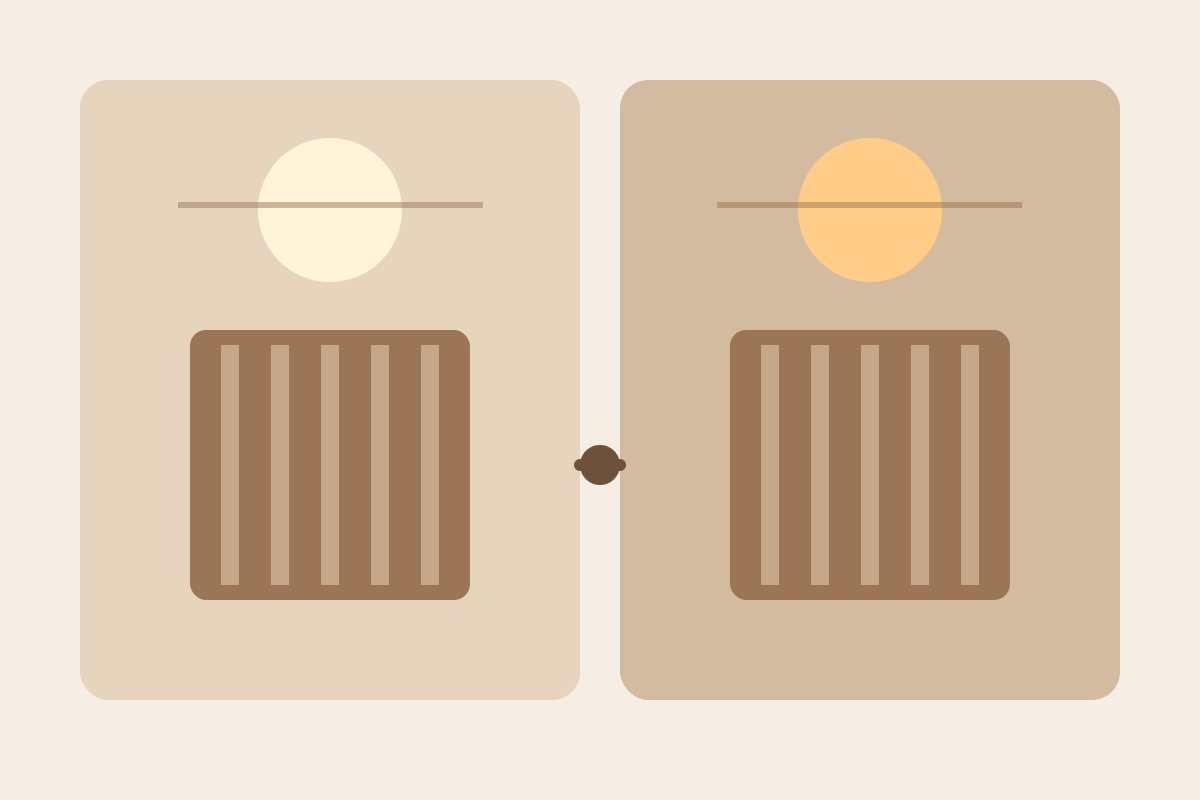
Compare the same physical sample under the lighting planned for the project, record the viewing conditions and approve one coded reference before ordering a batch.
Separate a visual reference from a production specification
A catalog PDF or web photograph is useful for narrowing a range, but screens, camera processing and lighting alter appearance. Ask for the exact product code, surface finish, profile and a physical sample. If two panels have similar names, confirm that they share the same construction and finish rather than assuming the catalog image is the specification. Keep the approved sample protected from scratches and sunlight while it is used for comparison.
Use more than one relevant light
Review the sample in diffuse daylight and under the lighting actually planned for the store or project. The International Commission on Illumination (CIE) publishes a standard for assessing daylight simulators used in visual colour appraisal; its point for buyers is that the light source matters. This is general colour-science guidance, not a colour tolerance or certification for a Luvie panel. Avoid deciding from a phone photo taken under mixed lighting.
Approve the sample next to trims and adjacent materials
Put the panel beside its corner trim, skirting, floor and paint sample. Check it at normal viewing distance and again at joints and cut edges. A small swatch can hide a pattern repeat or a visible transition across a larger wall. For a retail rollout, assemble a modest mock-up with the actual lamps, then record whether the design team accepts tone, sheen, texture direction and joint detail.
Write a repeatable batch-approval record
Record sample code, date, finish, lighting location, viewing distance, approved trim and the person who signed off. When stock arrives, compare representative cartons with that reference before the installer mixes material across walls. If the proposed lot differs, pause and document the difference rather than selecting the closest-looking replacement without approval. Ask Luvie for current model-specific sampling and batch-identification details.
Next step
Send the finish code, destination market and intended lighting to request a current physical sample and an approval checklist.